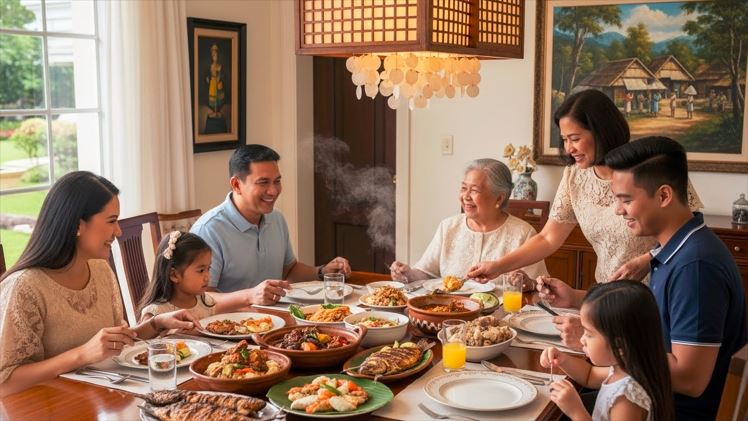
Multigenerational living—where grandparents, parents, children, and extended relatives reside within a single household—has long been a hallmark of the Filipino way of life. Deeply rooted in the spirit of bayanihan, the collective sense of unit, it embodies a social landscape where emotional bonds, practical interdependence, and cultural continuity are valued in equal measure. Historically prevalent in ancestral homes, this living arrangement has become increasingly common in urban and suburban contexts, driven by economic realities, demographic shifts, and shifting real estate market dynamics.
Why Do Filipino Families Choose Multi-Generational Living
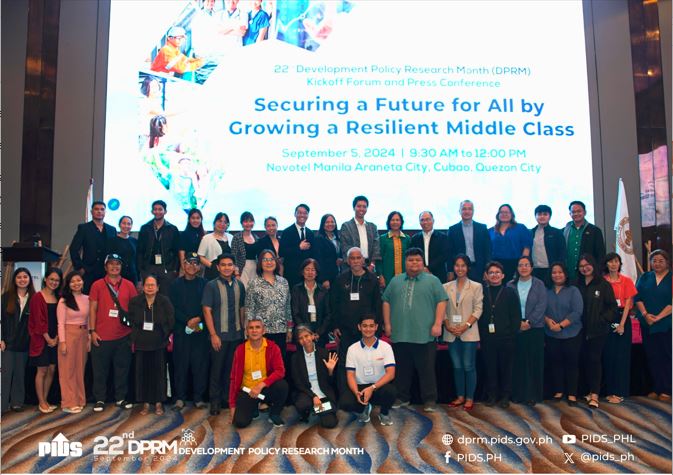
Over the years, the Philippine housing sector has undergone significant transformations, underscoring the resilience and adaptability of the residential model. Data from the Philippine Institute for Development Studies (PIDS) show that extended or multi-family households increased from 25 percent in 1990 to 29 percent in 2020, while homes for nuclear families declined from 71 percent to 61 percent over the same period. Figures from the Bangko Sentral ng Pilipinas also note that escalating property prices—up to 6.5 percent year-on-year as of 2022—combined with inflationary pressures and metropolitan congestion, have made multigenerational homeownership a pragmatic and financially feasible strategy, enabling families to consolidate resources, secure premium locations, and invest in real estate properties as a form of inheritance.
Design imperatives for a dynamic market
For real estate, this creates opportunities to reimagine residential design to meet the needs and preferences of larger, more complex households. Homes must be configured with privacy to foster shared experiences while allowing each generation the autonomy they require. Adaptability has also emerged as a critical priority, with flexible spaces that provide shifting functions, provisions for auxiliary kitchens, and convertible open or enclosed areas, ensuring the house they purchased remains relevant through decades of change.
Inclusivity further strengthens the appeal of a multigenerational home. Accessibility features such as step-free entries, wider doorways, and non-slip flooring enable senior family members to age in place with comfort, while enhancing safety for all. Aesthetic harmony is given equal importance, as designs that merge traditional architectural cues with modern styling can resonate across age groups—satisfying the sentimental preferences of older residents while aligning with the contemporary tastes of younger residents.
A home for generations
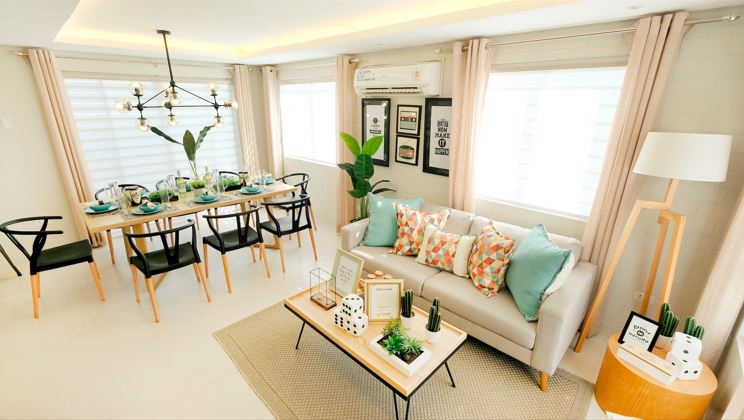
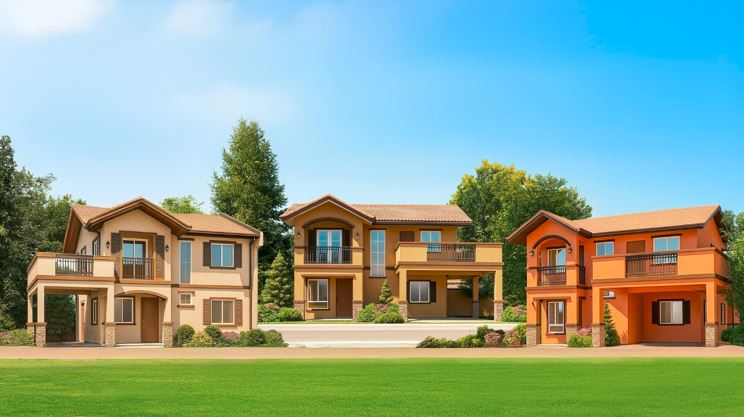
Camella has taken a key step toward meeting this demand with its newest premium residential line, crafted for multigenerational living. Designed to reflect the aspirations of Filipinos in extended households, it offers expansive house models, including Fiona, Gianna, and Hera, ranging from 140 to 170 square meters, on lot sizes from 130 square meters, giving ample configurations for multiple private retreats and communal gathering zones.
Through intentional planning, bedrooms provide privacy for each generation, while expansive kitchens—often with auxiliary cooking areas—anchor forever homes as functional and social sanctuaries. Open-plan living and dining areas allow for flexibility, easily transforming to host milestone celebrations or quiet evenings of shared success. Outdoor features, such as balconies, pocket gardens, patios, and carports, extend the livable space, offering both routine and recreational benefits.
Adding a distinctive edge to its residential portfolio, Camella also introduces three-storey townvillas called Tiara and Chiara—housing innovations designed for hybrid home-and-work lifestyles. These residences are ideal for pioneering professionals seeking to integrate career and home life seamlessly, as well as expanding entrepreneurs who require multipurpose spaces for both living and running a business. With dedicated floors that can be configured as private workspaces or family quarters, the townvillas deliver the versatility needed to meet the diverse requirements of today’s multigenerational households.
As family structures diversify, Camella expands its residential portfolio with house models tailored to every life stage. For growing households of Overseas Filipinos, Camella offers spacious configurations to accommodate the dynamics of family life. Recognizing the Filipino tradition of extended families living under one household, it has introduced multigenerational homes, designed with ample living spaces that foster privacy and interaction.
Camella has continually evolved to meet the changing needs of Filipino families, setting the standard for future residential neighborhoods and creating a benchmark for accessible yet aspirational living. Through its modern editions, Camella continues to uphold its mission to make homeownership not only attainable but also adaptable to the aspirations of Filipino families, ensuring that every generation finds a space they can truly call their own.
The next frontier in Philippine housing
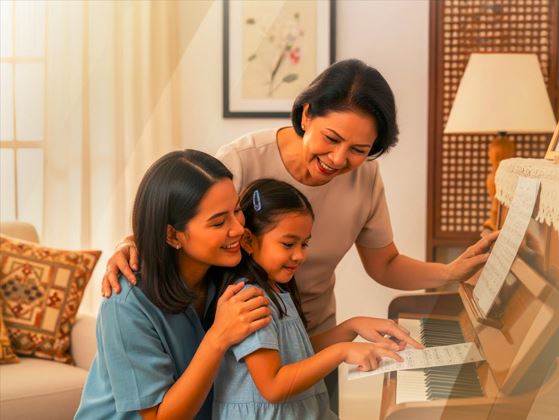
In a nation where family is both foundation and framework, the residential developments that will lead the market are those designed for all generations. By adapting cultural insight, market intelligence, and future-ready design, Camella not only responds to a growing housing segment—it defines it. These are homes that honor tradition while embracing innovation, creating living spaces that stand as legacies: adaptable, inclusive, and attuned to the evolving lives of the Filipino families who will call them their own.
The Philippines’ largest homebuilder
Camella is the flagship brand of the Philippines’ largest integrated property developer, Vista Land, providing homeowners with over 600,000 homes in 1,250 beautifully designed communities across 49 provinces and 147 key cities and municipalities.
The leading and preferred housing brand with a nationwide geographic reach, Camella builds thriving communities that embody innovation and progress with family and community life at its center, creating a legacy of value for generations to come.
To know more about Camella and its developments across the islands, visit www.camella.com.ph and follow @CamellaOfficial. Make your forever home a reality!
REFERENCE:
Ralph Raymond Rufino