Month: October 2026

  • Bigger Bills, Busier Buildings: Philippine Real Estate Holds Its Ground as a Deficit Spiral Tightens

    PRIME’S 2026 Q3 Real Estate Market Briefing finds landlords, occupiers, and investors squeezed by rising costs, even as offices, warehouses, and regional hubs kepp absorbing space.

    The Philippine economy entered the second half of 2026 under heavier strain than at midyear. The pesos closed at a record low of PHP 62.86 to the U. S. dollar on September 14, 2026. Inflation, while running at 6.1 percent in August 2026, prompted the Bangko Sentral ng Pilipinas (BSP) to raise its policy rate to 5.0 percent. The newly released September inflation reached 7.2 percent in the second quarter, and household spending rose 2.8 percent, its weakest pace since 2010 outside the pandemic.

    Yet PRIME Philippines’ 2026 Q3 Real Estate Market Briefing finds that the property market’s pain is concentrated on the cost side of the ledger, not in a collapse of demand.

    A Deficit Spiral Takes Shape

    PRIME describes the macroeconomic backdrop as a deficit spiral with three reinforcing loops. The national government’s deficit reached PHP 1.05 trillion from January 2026 to August 2026, up 21 percent year on year, as interest payments climbed 17.5 percent to PHP 686.5 billion while revenue grew only 4.27 percent. Debt reach 66 percent pf GDP at the end of June 2026, the highest since 2004. The trade deficit widened 26 percent to $41.6 billion in the first eight months as fuel imports grew costlier, foreign direct investment fell 17.8 percent in the first half, and Fitch moved its outlook on the country to negative.

    Costs, Not Demand

    PRIME’s own stakeholder survey shows where the pressure lands. Forty-eight percent of landlords name operating and financing costs as their top competitive threat, and 43 percent of occupiers cite the same costs as the war’s main effect on their business, investors rank high development cost as the number deploying capital.

    The Deficit Spiral: Three Loops Feeding a Wider Gap

    Rising Costs Top of the List of Stakeholder Concerns

    Office: Tenants Return as Supply Dries Up

    Metro Manila’s office market posted 528,000 square meters of net take-up in the third quarter, outpacing 289,000 square meters of new supply and lifting occupancy to 85.0 percent from 83.2 percent in the first half. Occupied stock reached a record 13.4 million square meters. With only 154,000 square meters due in the four quarter and 149,000 square meters in 2027, against yearly average of 667,000 square meters from 2017 to 2025, landlords are regaining leverage.

    Industrial: Warehouses Keep Moving

    Luzon warehouse requirements reached 292,000 square meters in the third quarter, more than double the 145,000 square meters a year earlier. Average rents rose in all six markets PRIME tracks, led by Metro Manila at 11.8 percent, and 65.8 percent pipeline will rise inside industrial parks.

    Visayas and Mindanao: Slack, Not Slump

    Cebu’s office leasing softened, with net take-up turning negative in the third quarter and occupancy easing to 81.1 percent, yet average rents of PHP 665 per square meter now exceed pre-pandemic levels. Davao, meanwhile, will receive 145,000 square meters of offices from 2027 to 2029, nearly the 166,000 square meters it added over the previous nine years, as office requirements jumped 73 percent in the first nine months.

    Adapting to the Squeeze

    PRIME advises consumers not to leave savings idle while inflation erodes cash, investors to consider locking in fixed-rate financing related ahead of further rate hikes, and landlords to prioritize tenant retention, since occupiers are currently absorbing the brunt of higher prices.

    “The war hit the cost of doing business, not the appetite for space,” the briefing states. “The players who adapt early will be the ones who come out ahead.”

    PRIME Philippines’s full 2026 Q3 findings, including sector breakdowns for office and industrial real estate in Metro Manila, Luzon, Cebu, and Davao, are available through PRIME Philippines Research & Advisory.

    About PRIME Philippines

    PRIME Philippines is the country’s fastest growing and most disruptive commercial real estate advisory firm. Established in 2013, PRIME has redefined the brokerage industry by replacing outdated practices with innovation, data intelligence, and relentless execution. With full-service offices in Manila, Cebu, and Davao, PRIME has completed over 300 high-impact projects nationwide. Backed by a team over 100 professionals, PRIME is multi-awarded and trusted by the country’s top developers, investors, and occupiers. It is involved in big ticket office transactions and holds the No. 1 position in industrial leasing nationwide.

    REFERENCE: PRIME Philippines

  • PRIME Philippines’ 2026 Q3 Philippine Property Market Report Media Briefing, themed “Chasing the Storm: Tracking Philippine Real Estate’s Second Wind”

    PRIME Philippines’ 2026 Q3 Philippine Property Market Report Media Briefing, themed “Chasing the Storm: Tracking Philippine Real Estate’s Second Wind”

    PRIME Philippines has presented the 2026 Q3 Philippine Property Market Report Media Briefing, themed “Chasing the Storm: Tracking Philippine Real Estate’s Second Wind” on October 7, 2026 at 32nd Floor, Mega Tower, Ortigas Center, Mandaluyong City.

    The Third Quarter Report has focused on the Office and Indusrial Sectors, as well as highlighted the Visayas and Mindanao markets.

    PRIME Philippines’ experts and speakers of the program include: Sean Chua, Manager, Research and Advisory; Mervyn Valenzuela, Vice President, Office Tenant Representation; Joy Rosario, Executive Vice President, Industrial Tenant Representation and Hannah Yoshida, Senior Head, Visayas-Mindanao.

    Dissecting the Deficit Spiral: Investigating the Threat that Defines the Next Few Years

    Sean Chua has presented this topic that is relevant to the Macroeconomy in the Philippine real Estate Market with Key Highlights that include: Elevated Fuel Cost & Headline Inflation; Declining Peso and Purchasing Power; Weaker Spending Overall; Tighter Money Environment; and Concerning Debt-to GDP Ratio.

    Room to Recover: Steady Demand Meets Stalling Supply

    Mervyn Valenzuela has shared the Office demand and supply with Key Highlights: Landlord Cut Rents to Fill Space; Professional Services Lead Office Demand; Take-up Outpaces New Supply; and Slower Pipeline Amidst High Inflation.

    Office Outlook: Vacancy to Narrow Gradually; Flight to Quality Will Split Rents; PEZA Reopening Will Support Absorption; and IT-BPM Will Shift to Higher Value.

    Twice the Trucks, Half the Cranes Industrial Demand Doubles as Developers Pull Back

    Joy Rosario has discussed the Industrial with Key Highlights that include: Explosive Growth of Semiconductor Manufacturing Fuels Industrial Demand; Wholesale and Retail Trade Will Move Outside of NCR, Following Urbanization; Lease Rates Will Appreciate From Increased Locator Appetite in NCR; and Forecasted Pipeline for 2027 declined by 72% YOY.

    Industrial Outlook: Rates to Grow by 8% to 10% in a Year; Development Pipeline to Remain Tempered; Requirements from Semiconductor Manufacturing Will Drive Industrial Growth; and Securing Present Lease Rates as Prevalent Strategy.

    Close Enough: Right Timing, Off-center for Cebu’s New Offices

    Hannah Yoshida has shared that the floodgates are opening for Cebu’s office market. The demand drivers 80% Business Process Outsourcing, 12% Traditional and 8% Gov’t for the Cebu’s Office Market. Besides, new supply will take pressure off Cebu’s core office districts, Cebu’s next wave of offices is built to go green, and Cebu’s lease rates have recovered to onset-pandemic levels.

    Slack, Not Slump: Cebu Rents Rise Through a Softer Market

    Cebu’s warehouse rents hold as vacancy edges up to 3%. The demand drivers of the Cebu’s Industrial Market are 86% Transportation & Storage; 10% Utilities; and 4% Manufacturing. Higher-end facilities lift Cebu’s average rates as the rent band holds firm. While warehousing demand maintained its pace in Cebu.

    The Next Prime Office Hub: Davao City

    More developers (SM, MEGAWORLD, GAISANO, ROBINSONS LAND CORPORATION & DAMOSA LAND) are racing to construct offices in Davao with the demand drivers of 63% Traditional, 20% BPO, and 17% Gov’t. Davao will receive nearly a decade’s worth of offices in 3 years. Davao last available offices will only get pricier from here, IT-BPM remains as the key anchor of Davao’s office market, and the scramble for Davao offices goes beyond BPO’s.

    Mindanao’s Logistics Anchor: Demand for Davao Runs Ahead of New Supply

    Davao warehouse rents sit still at PHP 160 (in sqm); Davao City remains as top location for upcoming completions in Davao Del Sur; Davao’s rent ceiling jumped to PHP 300 per sqm; and Davao’s demand show no sign of slowing down.

    Reference: PRIME Philippines

  • BAMBINO Brings Back A Familiar Favorite With Its New Banana Cookies

    BAMBINO Brings Back A Familiar Favorite With Its New Banana Cookies

    A beloved Filipino flavor gets a crunchy new twist for every day merienda.

    Some flavors feel lime home. For generations of Filipinos, banana has been a familiar favorite; it’s sweet, comforting, affordable, and easy to enjoy anytime.

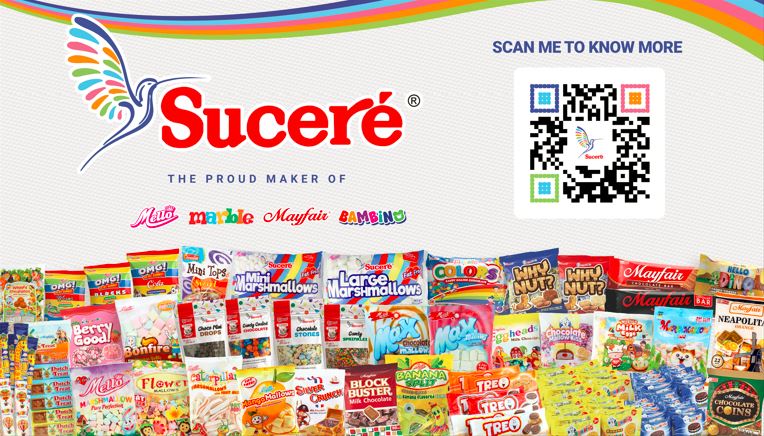
    Now, that beloved flavor is making its way into an exciting new merienda experience as Sucere Foods Corporation introduces Bambino Banana Cookies, a refreshed take on the classic banana cookie designed for today’s Filipino families.

    With its crunchy, banana-flavored cookies, golden, flower-shaped design, and three-piece packs. Bambino Banana Cookies brings together familiarity, fun, and affordability in one convenient snack. The product is positioned as everyday merienda and baon companion for both kids and adults.

    A Flavor Filipinos Already Know and Love

    Banana is more than just a fruit in the Philippines; it is a familiar part of Filipino food culture. Bambino builds on this familiarity by transforming the recognizable banana taste into a crunchy cookie experience.

    The flavor connects directly with core consumer associations: sweetness, familiarity, childhood, fun, and affordability.

    The country’s strong banana industry also supports the opportunity. The deck cites Philippines banana production of approximately 2.31 million metrics tons, highlighting the country’s significant the country’s significant connection to the fruit.

    More Than a Snack: “Every Merienda Matters.”

    At the heart of Bambino Banana Cookies is a simple Filipino truth: merienda is more than just eating—it is a small everyday expression of care.

    The brand’s new platform, “Every Merienda Matters,” reflects the reality of Filipino parents and providers who want to give their families something enjoyable during merienda while still being mindful of their budget.

    Bambino Banana Cookies answers that need with a familiar banana flavor in an affordable cookie that families can enjoy every day.

    Whether packed into a child’s baon, enjoyed during an afternoon break, or shared at home, Bambino Banana Cookies is designed to make ordinary merienda moments a little more enjoyable.

    A Fresh Chapter for a Proven Favorite

    The return of Bambino Banana Cookies is also a story of reinvention.

    The brand’s previous banana cookie offering demonstrated meaningful consumer acceptance, particularly during its stronger commercial years. However, distribution challenges and reduced market availability eventually affected its momentum. Sucere is now building on that existing familiarity with a refreshed identity, strengthened route-to-market strategy, broader distribution, and integrated marketing support.

    This time, the ambition is bigger: to make Bambino Banana Cookies accessible across more stores and bring the product closer to Filipino consumers wherever their everyday merienda happens.

    The brand’s strategy aims to establish Bambino Banana as a preferred everyday merienda while building stronger long-term presence in the banana cookie segment.

    Made for Everyday Filipino Moments

    Bambino Banana Cookies come in a 9-gram pack containing three cookies, with a 12-month shelf life when properly stored. The product is positioned as a practical option for baon, merienda, and everyday snacking.

    Its accessible format makes it easy to enjoy wherever the day takes you, from school and work to quick afternoon breaks at home.

    And with its bright, playful packaging and distinctive flower-shaped cookies, Bambino Banana Cookies is designed to stand
    out both on the shelf and in the hands of consumers.

    Putting Banana in Every Merienda

    Bambino’s ambition goes beyond launching another cookie.

    It is about bringing a familiar flavor back into the everyday lives of Filipino families—one small pack, one shared moment, and one merienda at a time.

    “Let’s put Bambino Banana in every downline store. Every shelf. Every merienda. Every Filipino home.”

    Because sometimes, the best merienda doesn’t need to be complicated. It just needs to taste familiar, feel affordable, and make the moment sweeter.

    ABOUT BAMBINO

    Bambino is a brand under Sucere Foods Corporation, a company specializing in chocolate and confectionery products. Through Bambino Banana Cookies, the brand seeks to bring a familiar Filipino flavor into an affordable, enjoyable, and
    convenient everyday merienda experience.

    REFERENCE & MEDIA CONTACT:

    MARK “MARQUEE” F. EMBINO
    MARKETING MANAGER

    Sucere Foods Corporation
    Marketing Department
    Email: marketing@sucerefoods.com
    Website/Social Media: https://www.sucerefoods.com/⁠